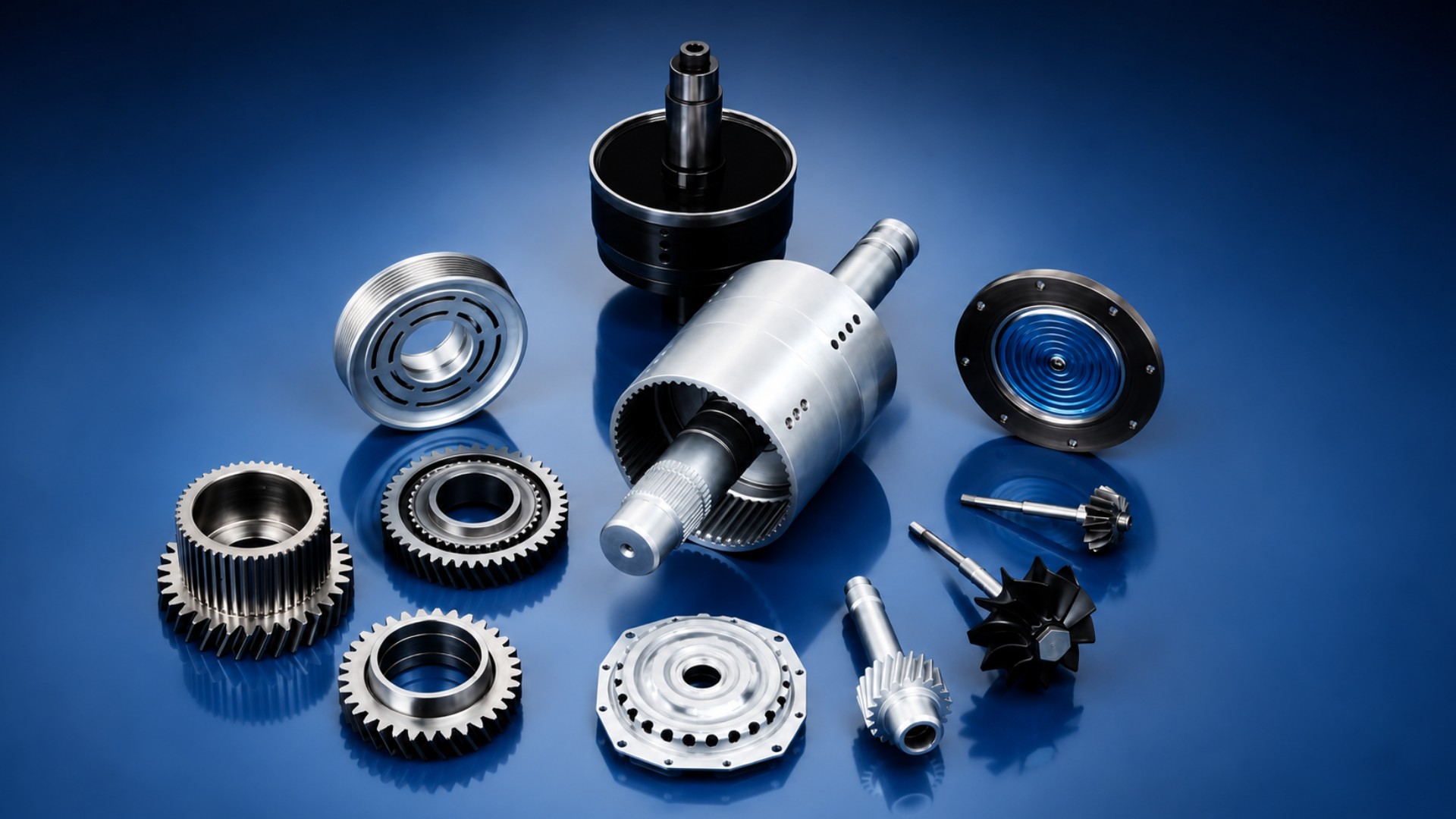
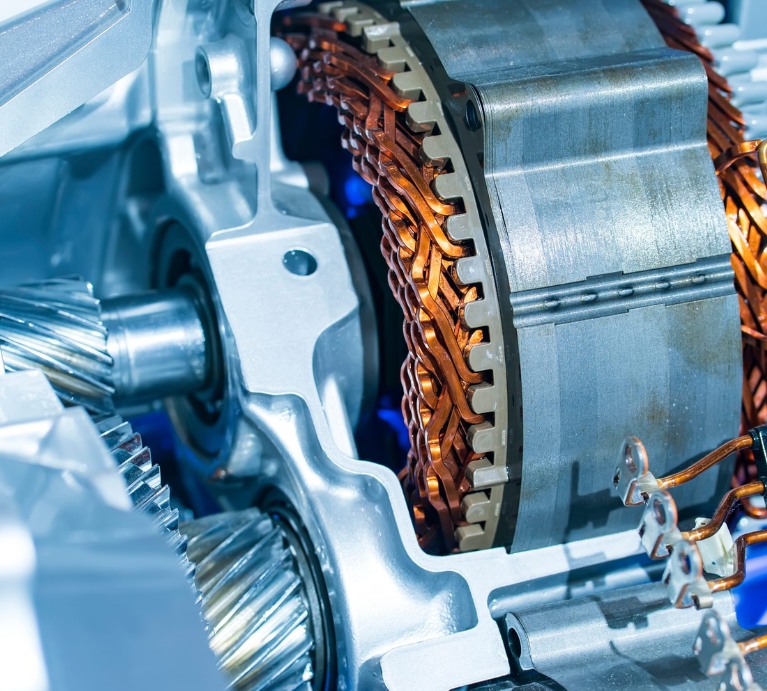
The automotive industry relies on high-volume, high-integrity joining of critical powertrain, driveline and electrification components. Electron Beam Welding (EBW) delivers deep penetration, narrow welds and exceptionally low distortion, making it ideal for parts that must perform reliably at high speed, temperature and load.
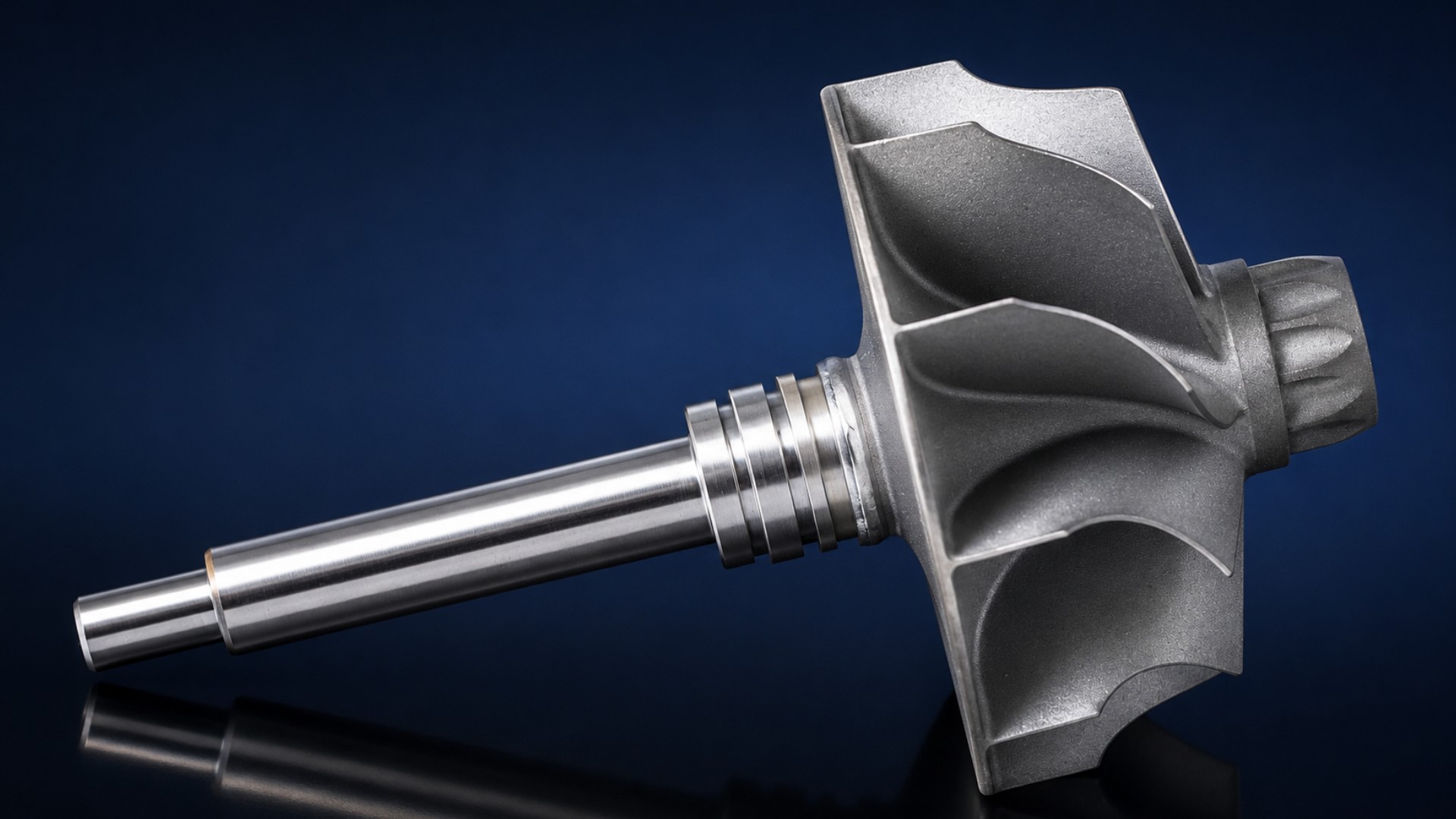
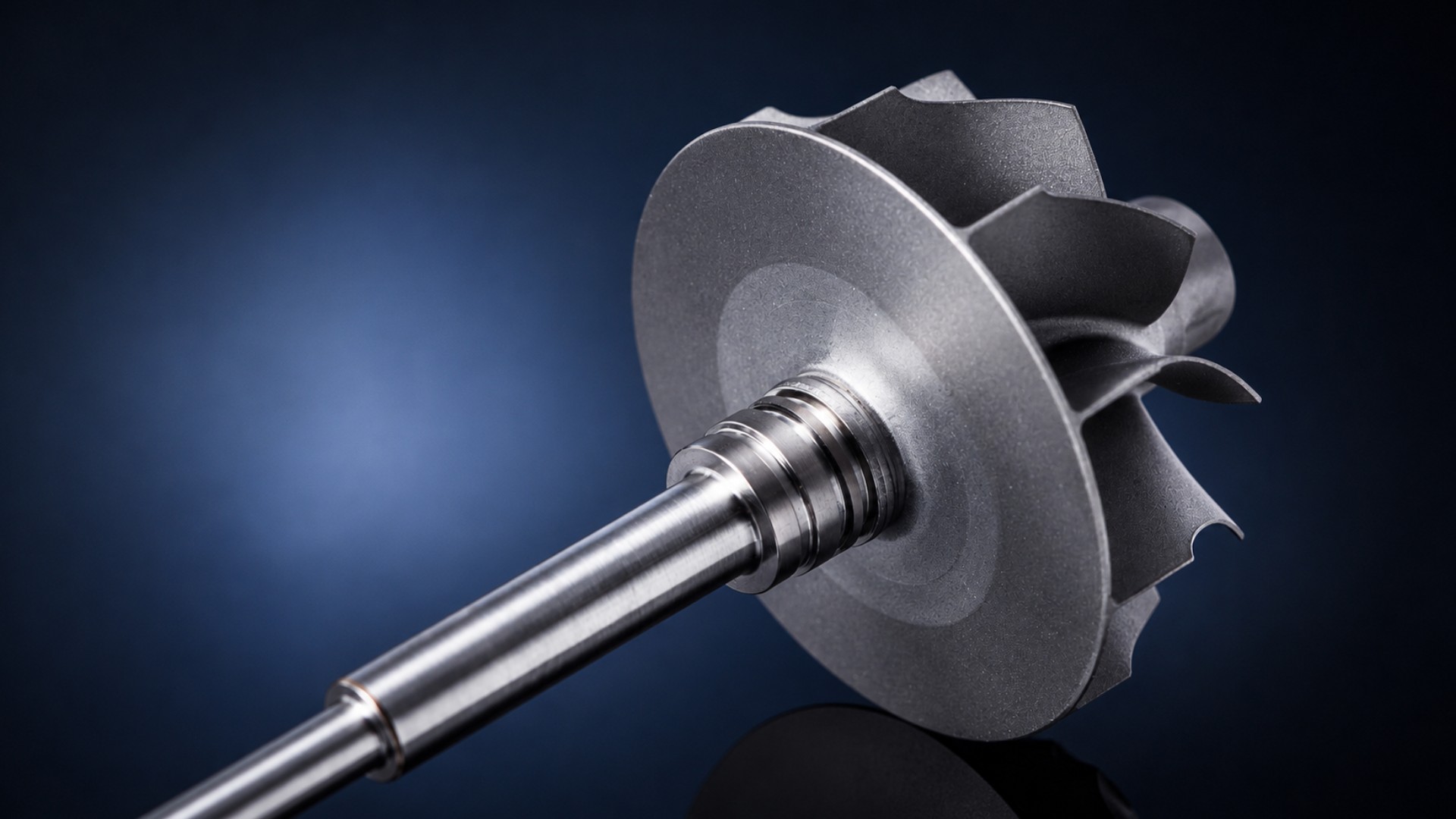
Performed in a high vacuum, EBW joins dissimilar and hard-to-weld metals, from Inconel turbine wheels and carbon-steel shafts to copper and aluminium battery conductors, achieving near parent-metal strength with minimal heat input. This lets manufacturers reduce part count, cut machining costs and improve performance across fuel, hybrid and electric vehicles.
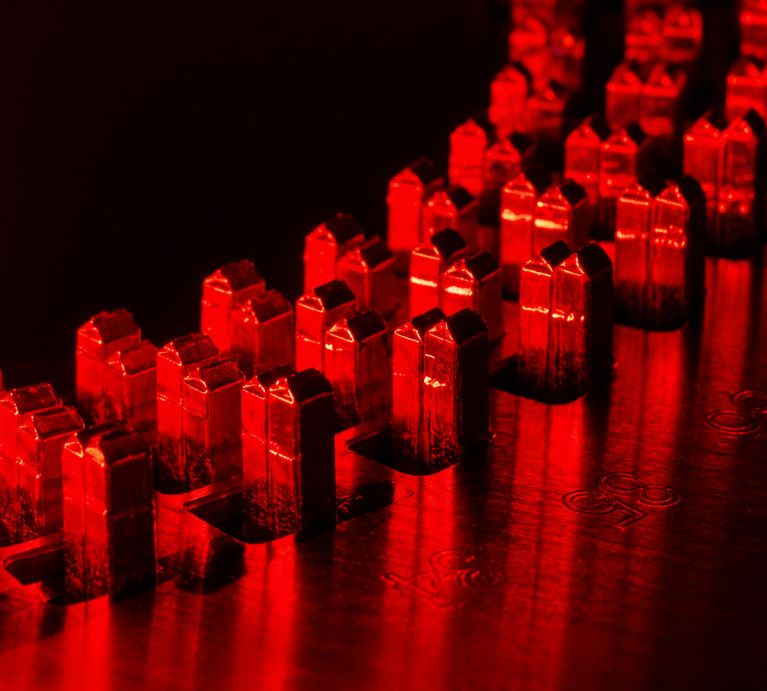
Fabricated using electron beam welding to join the many blade sections together results in a precise, repeatable weld. Titanium is perfectly suited to the electron beam welding process as it is done in a vacuum to avoid oxidation.