Electron beam welding (EBW) is a fusion welding process that uses a high energy electron beam to join metals together, with a wide range of applications in many industries.
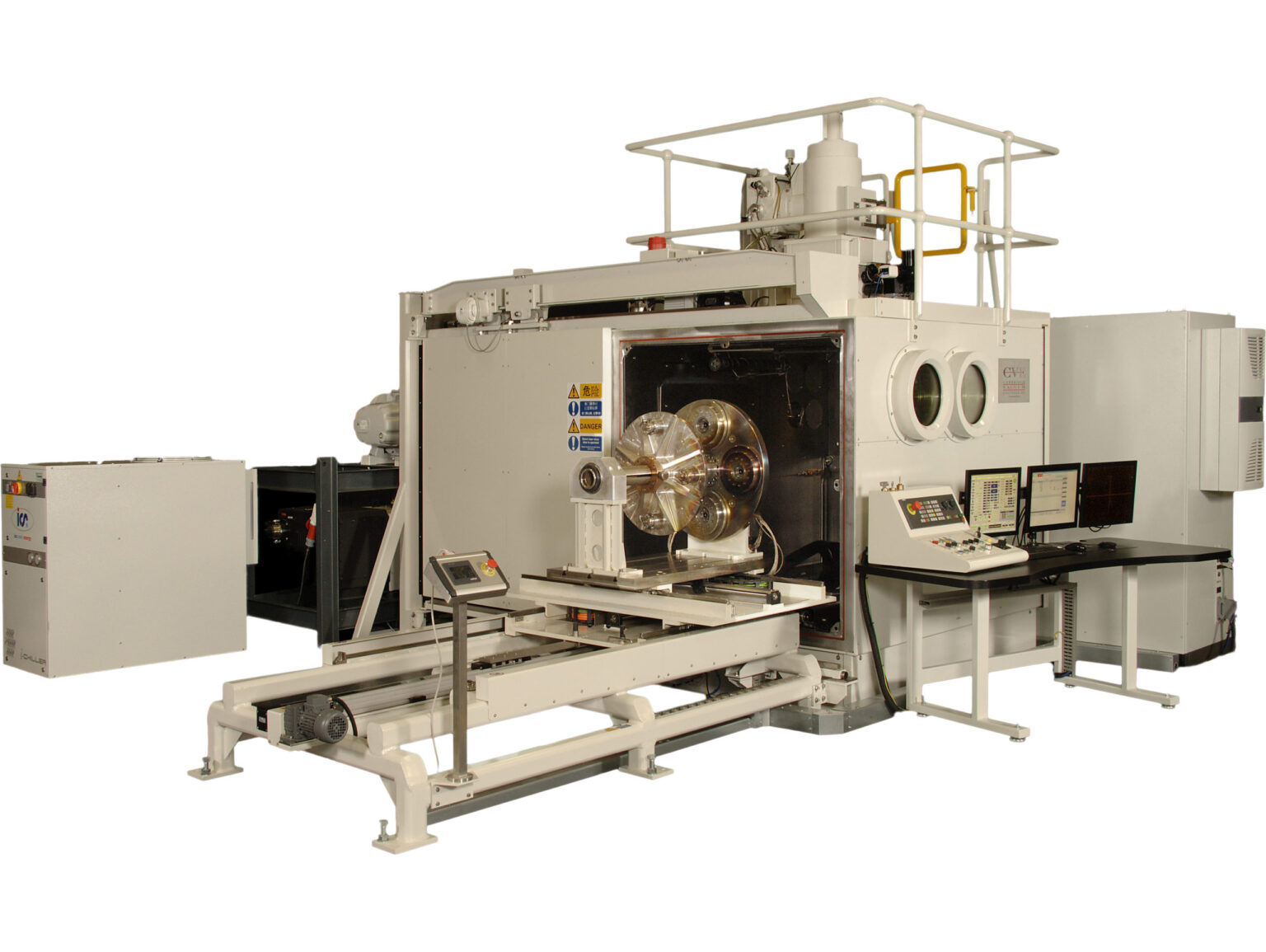
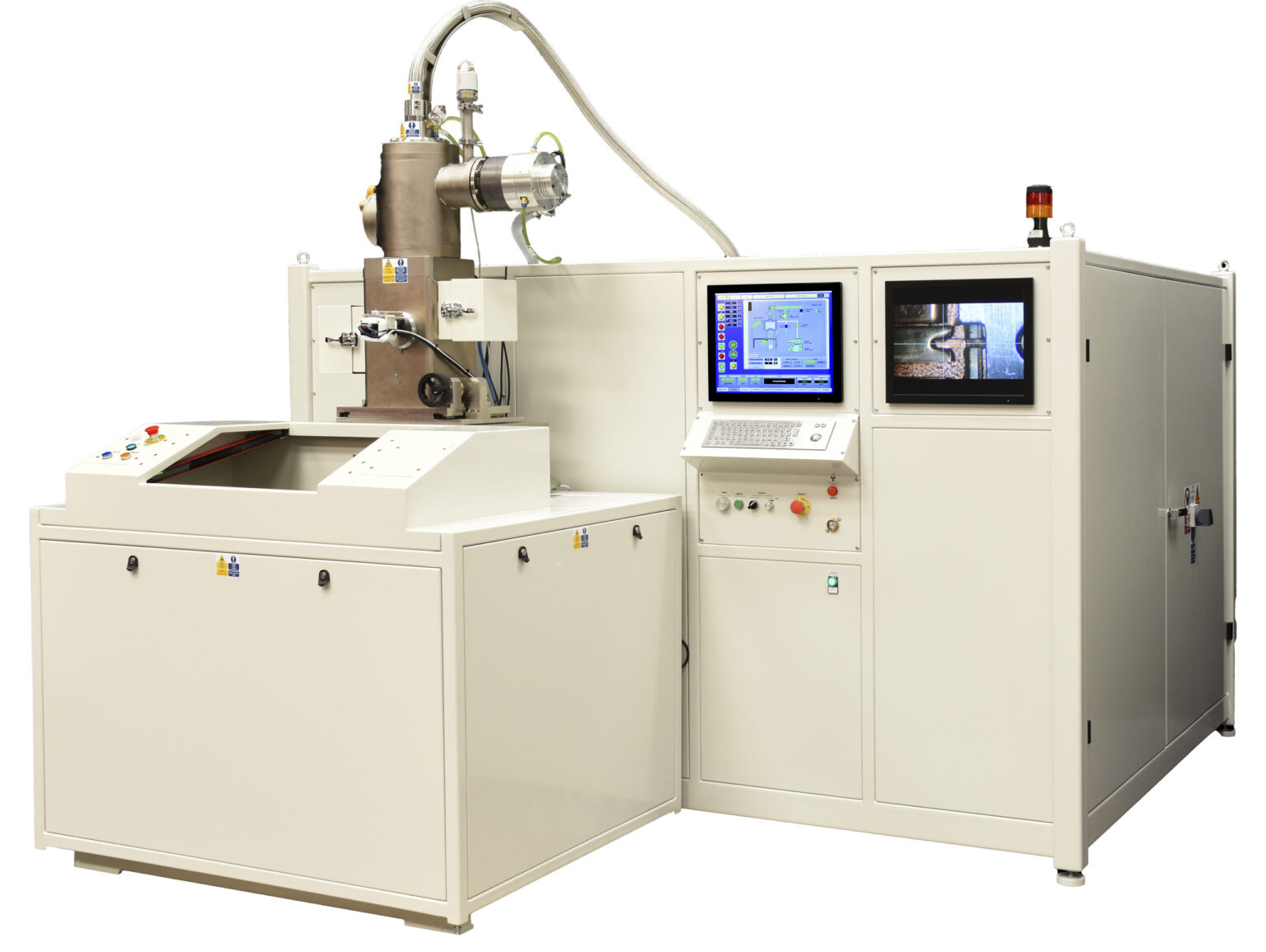
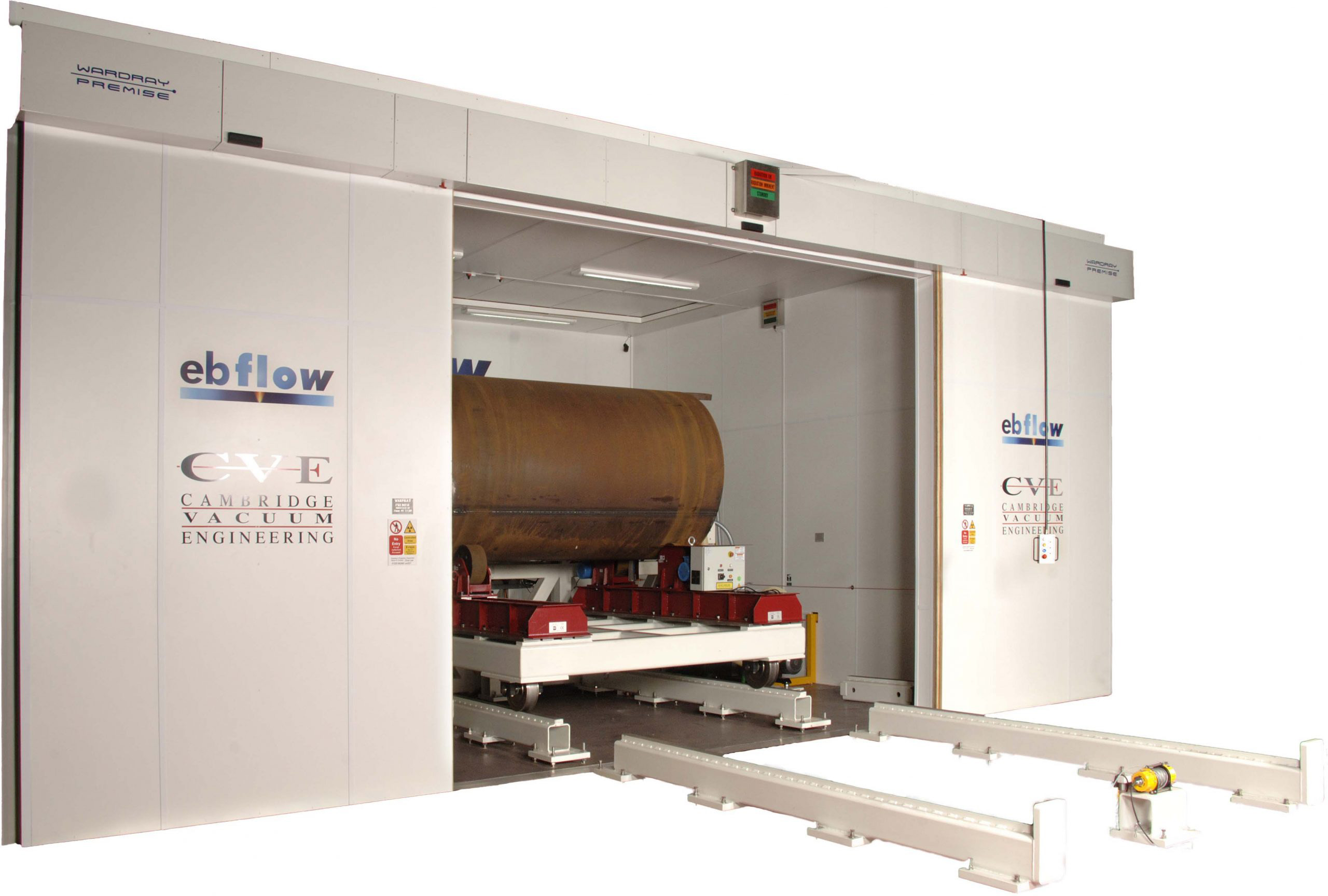
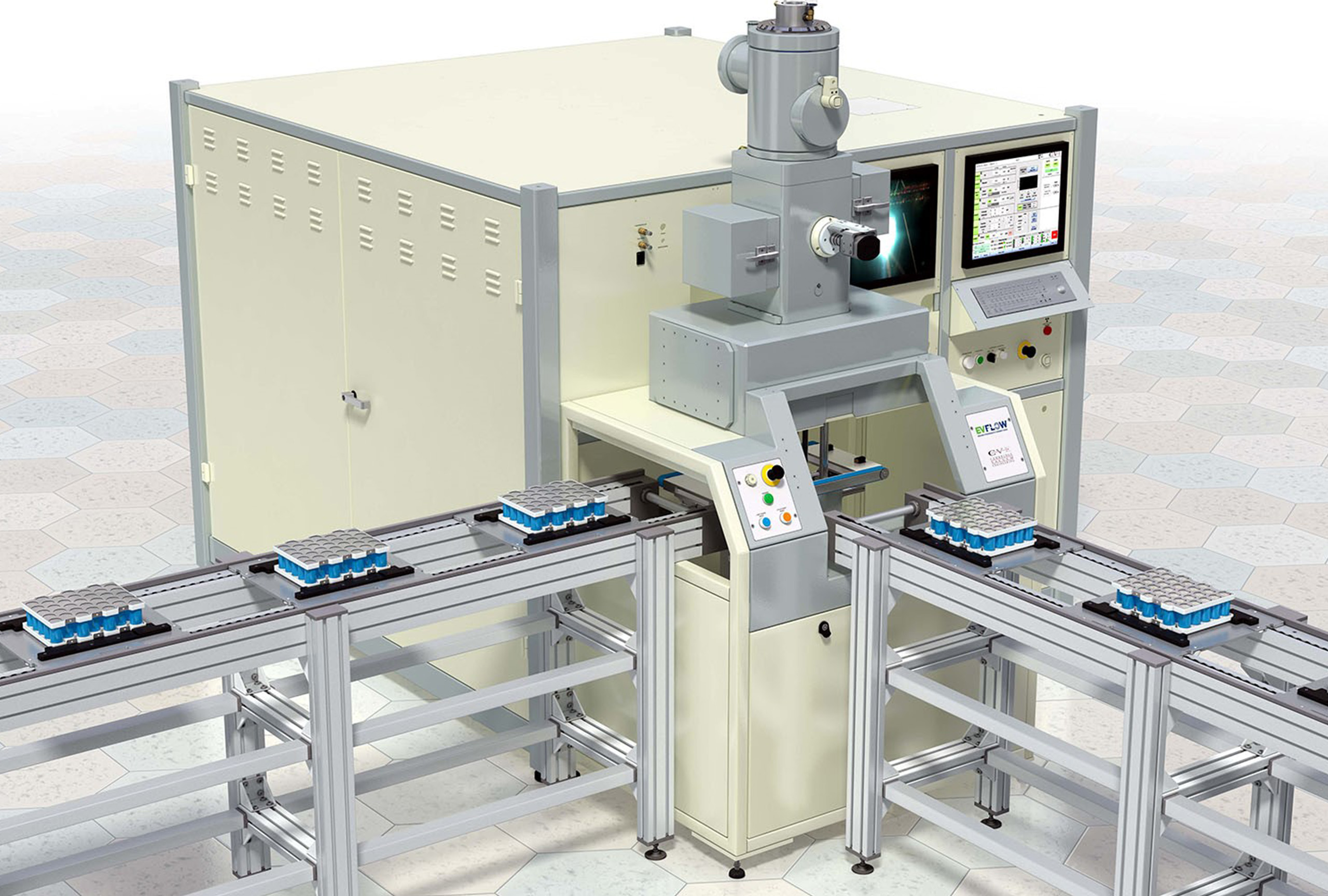
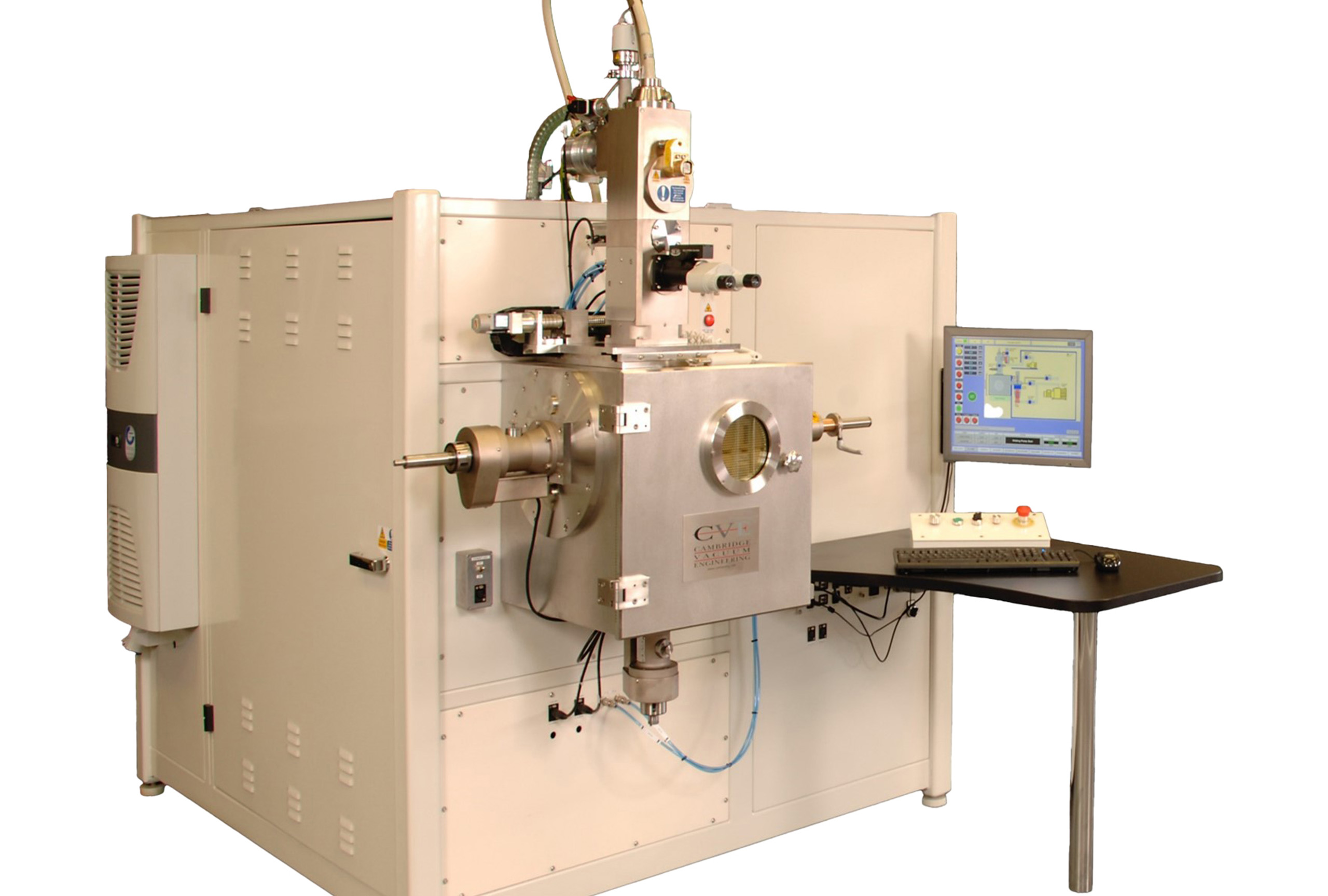
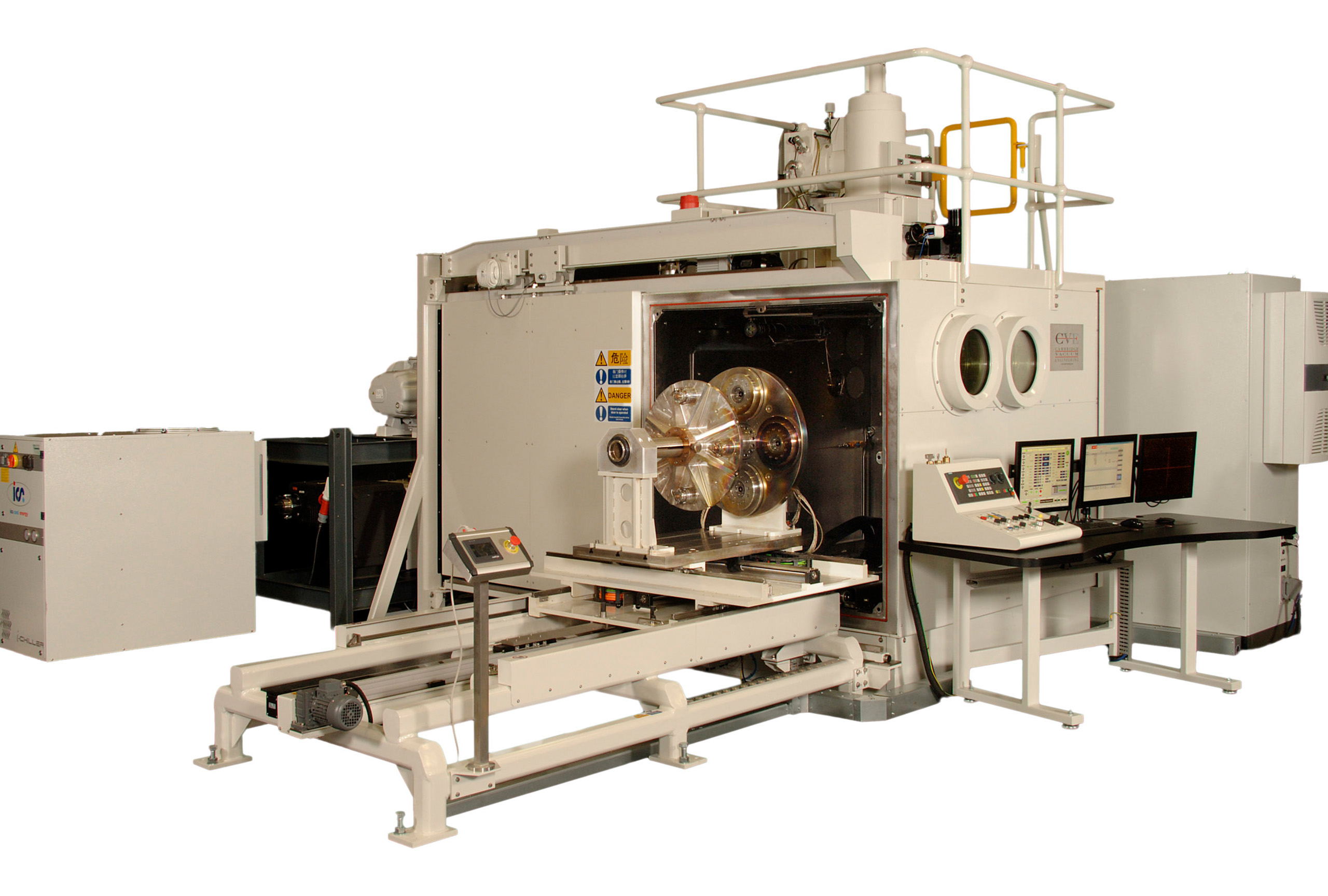
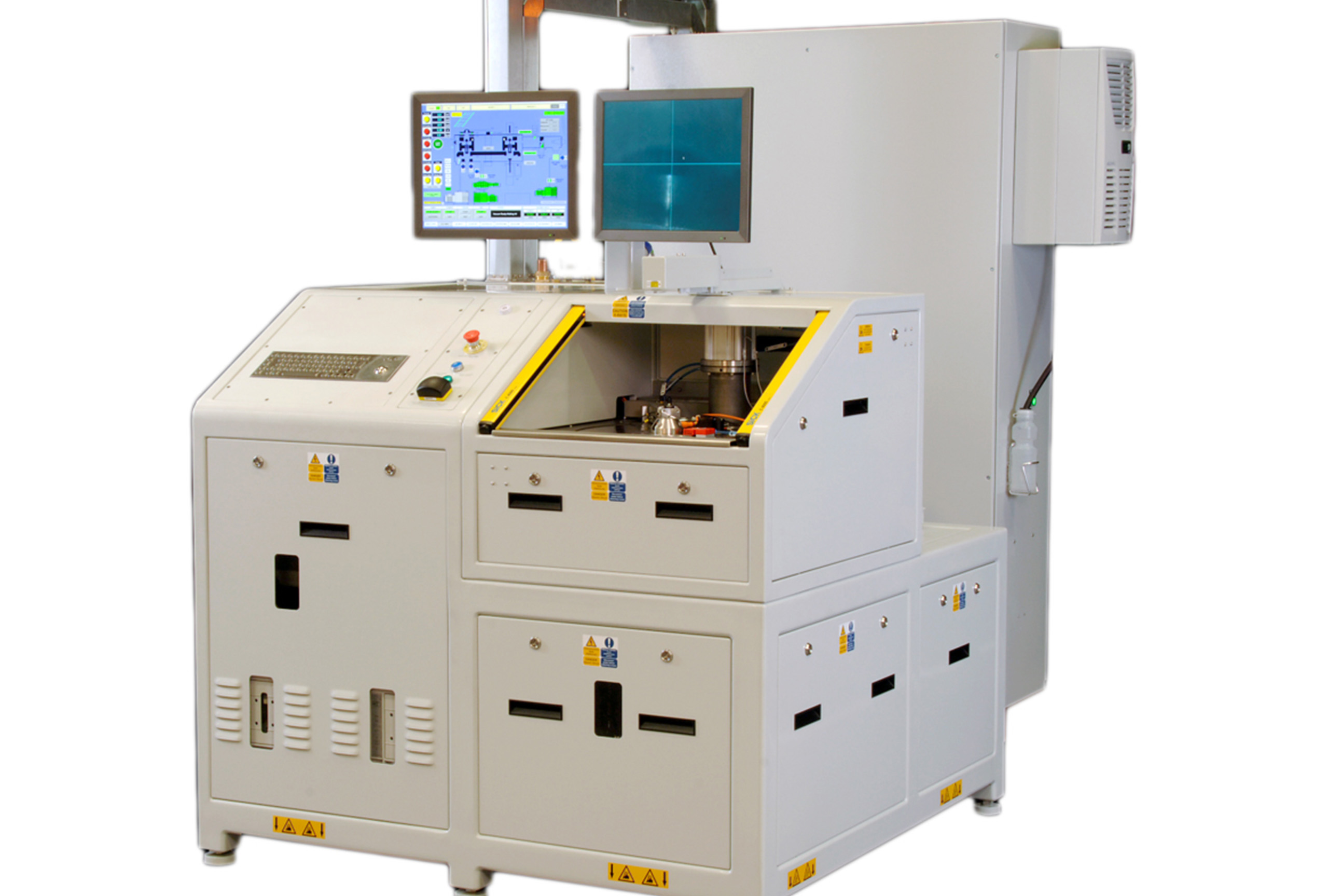
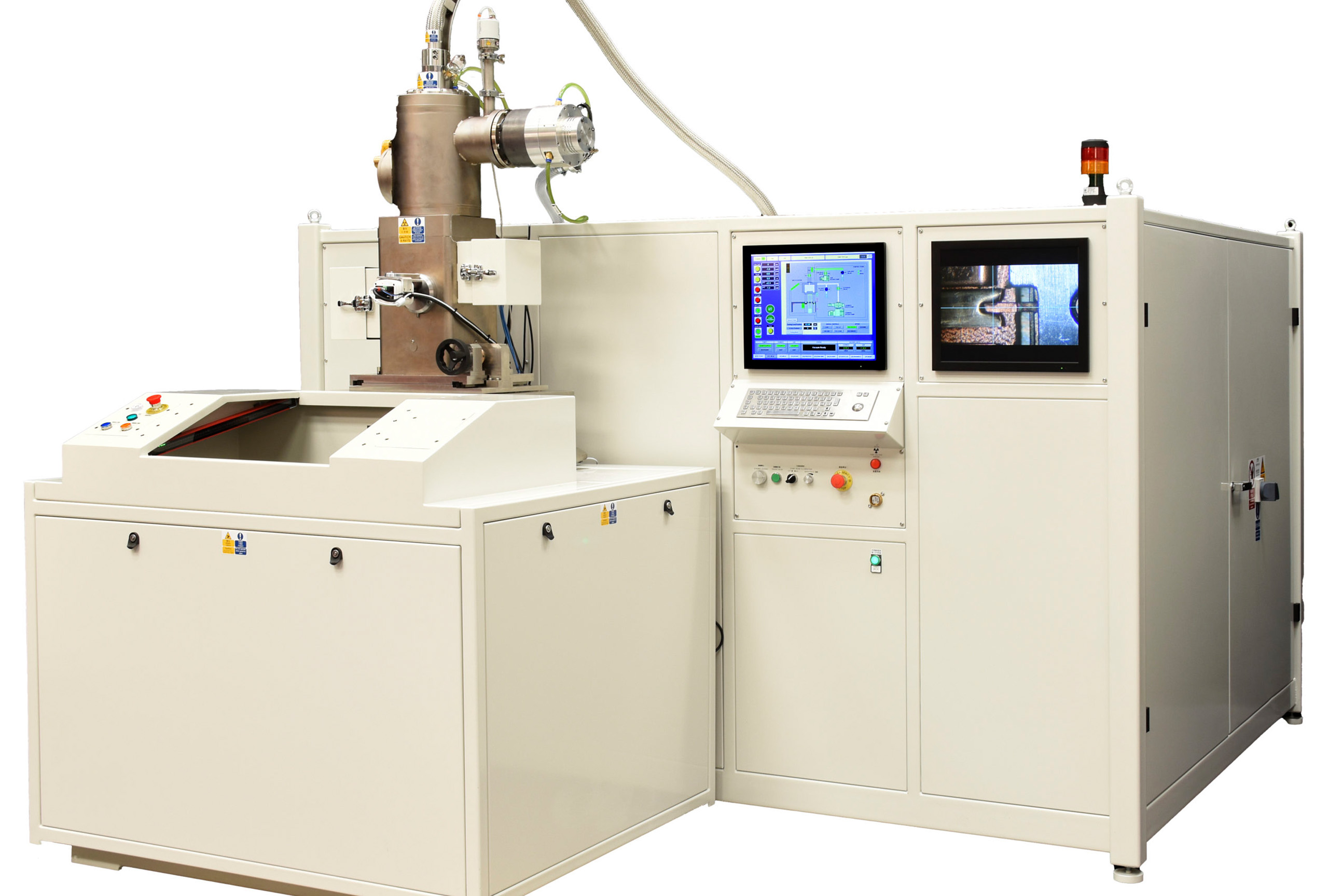
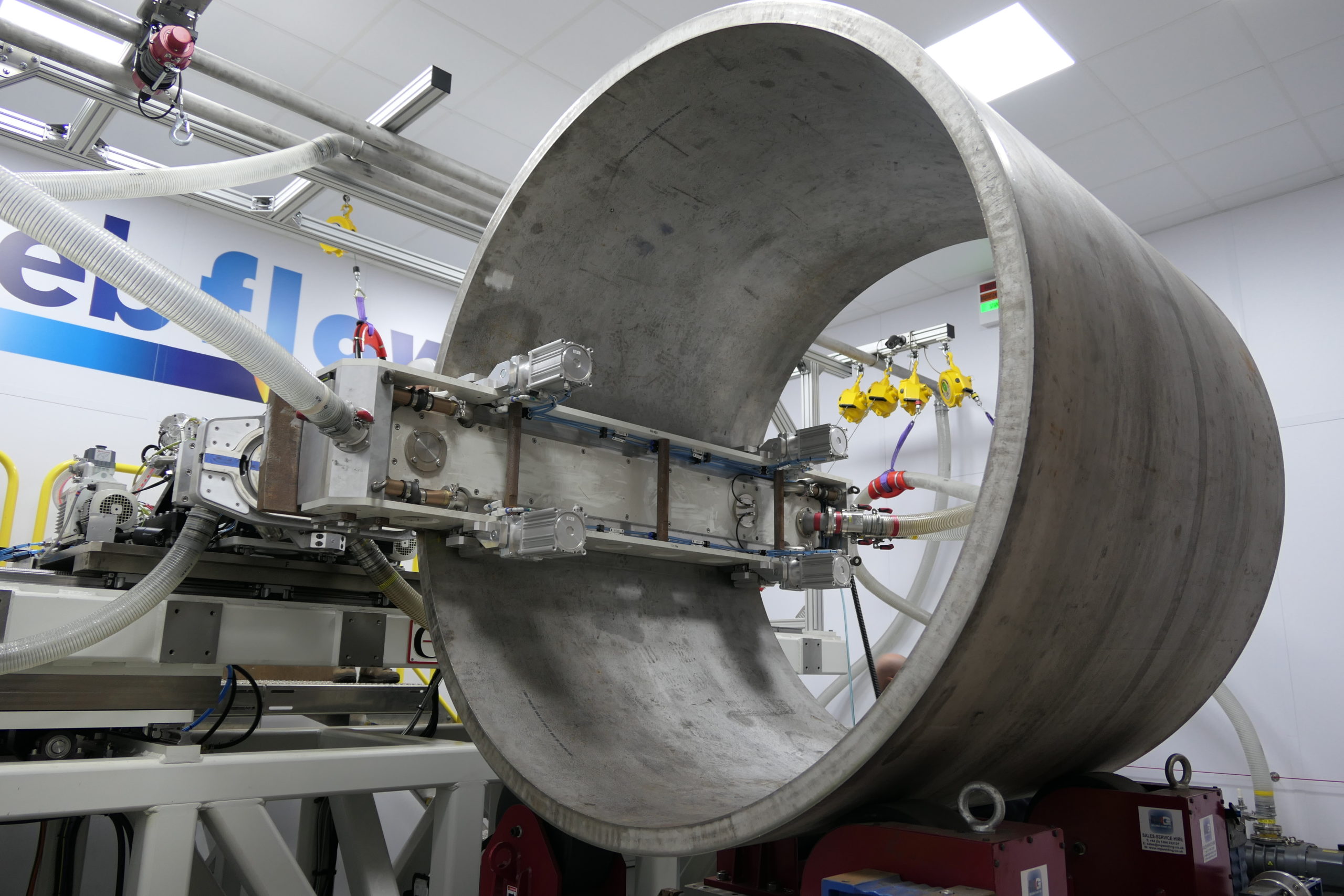
An EBW machine consists of an electron gun that produces a focused beam of high-energy, high-speed electrons, with a velocity of between 0.3 and 0.7 times the speed of light. The electron gun is mounted on, or in, an evacuated chamber that contains tooling and fixtures that holds and moves the workpiece.
The process is extremely efficient (typically 95%), and the weld quality is exceptional, presenting the following characteristics:
An EBW machine consists of an electron gun that produces a focused beam of high-energy, high-speed electrons, with a velocity of between 0.3 and 0.7 times the speed of light. The electron gun is mounted on, or in, an evacuated chamber that contains tooling and fixtures that holds and moves the workpiece.
The process is extremely efficient (typically 95%), and the weld quality is exceptional, presenting the following characteristics:
Send us your drawings and our applications team will review the component, then advise on feasibility, achievable weld depth and any preparation needed.
Components are cleaned, degreased and fixtured. Because the beam is narrow, joint faces are machined and the joint gap is kept tight and consistent so the beam has something to fuse.
The work is placed in the chamber and the chamber is pumped down. Removing the atmosphere from the weld zone protects the joint from oxidation and nitrogen pick up, which is why EB welds reach near parent metal strength.
The electron gun accelerates electrons to between 0.3 and 0.7 times the speed of light. Magnetic lenses focus them to a spot of very high power density, precisely on the joint line.
The beam opens a narrow keyhole through the joint which fills behind the moving beam. Around 95% of the energy goes into the weld, giving deep penetration, a high depth to width ratio and very low distortion.
Joint finding and imaging options let the beam position be checked against the actual joint before and during the weld, so parts come out of the chamber right first time.
If your question is not covered here, send it over using the form and one of our engineers will come back to you.
Tell us about your component or fabrication and we will advise on the right approach.