Discover the factory of the future
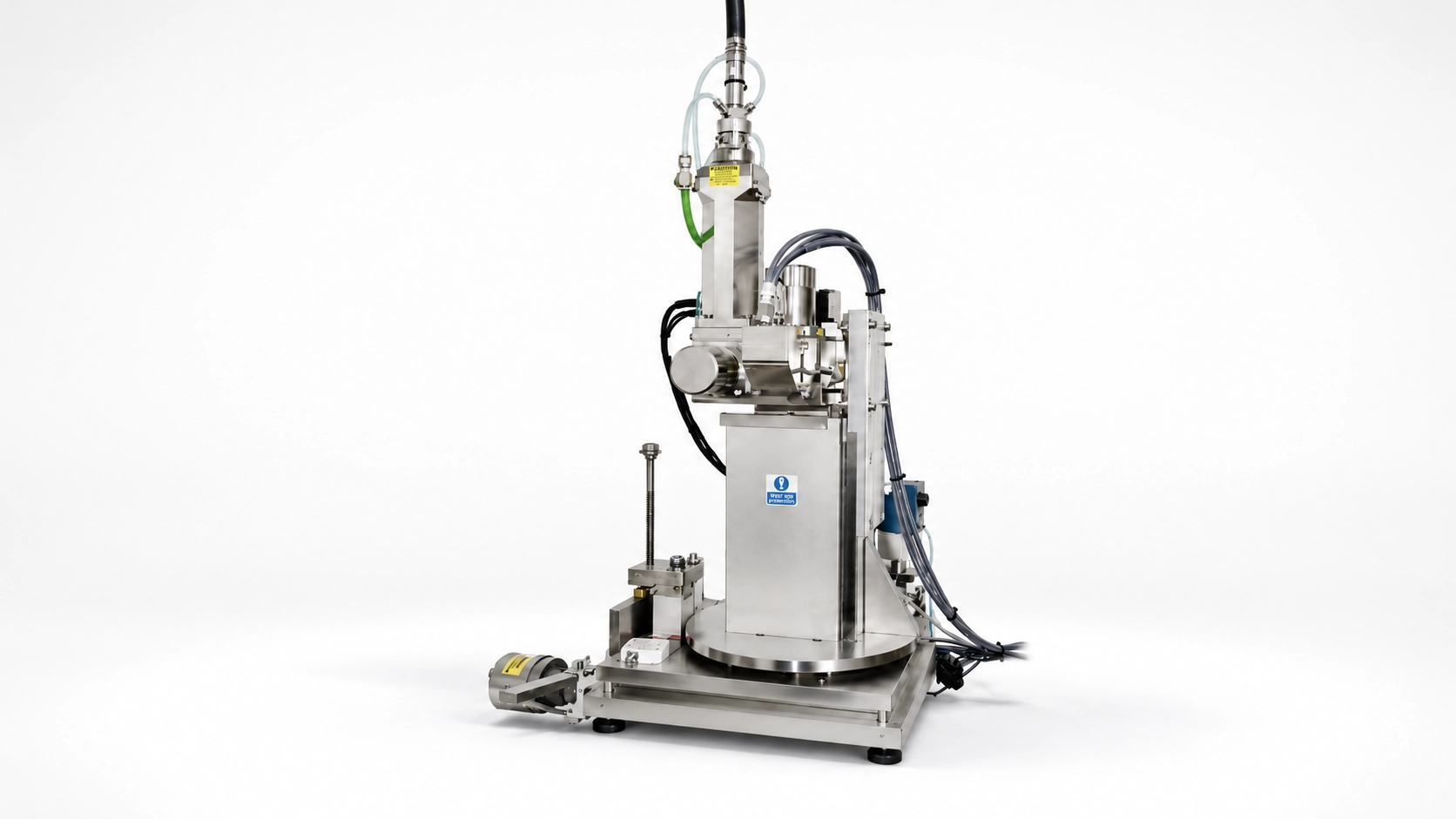
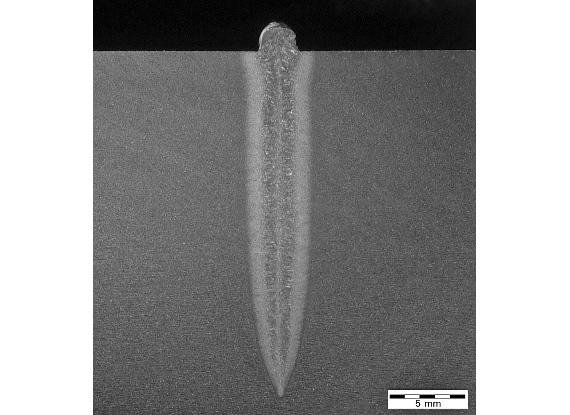
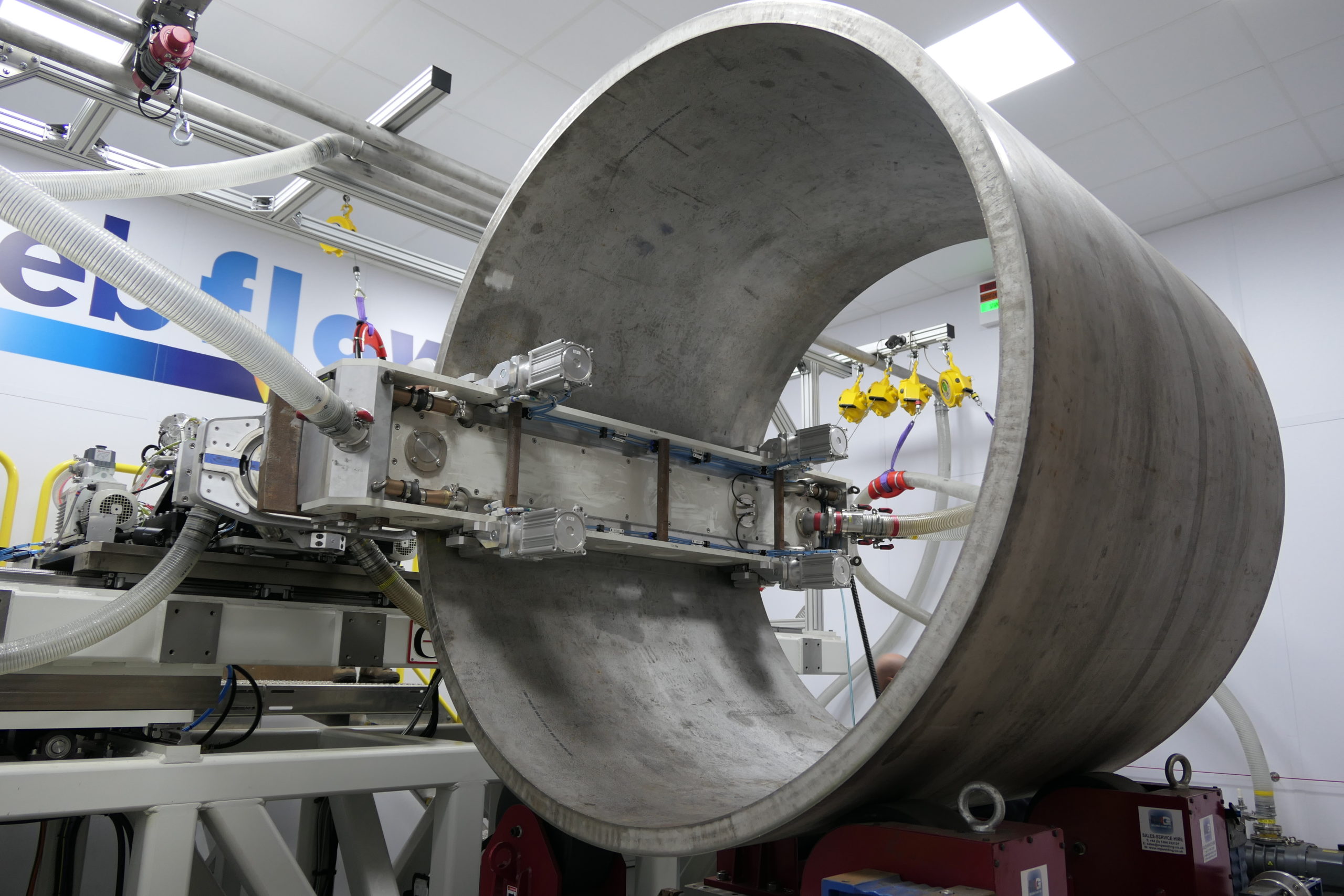
Laser in Vacuum (LiV) welding is a relatively new technique that achieves two to three times the depth of weld compared with conventional laser welding using shielding gas.
Welding in a vacuum eliminates the hot metal vapour plume that forms above the keyhole at atmospheric pressure, so the beam couples in more efficiently and spatter is minimised, allowing for double to triple the penetration depth.
What is Laser Welding in Vacuum?
The vacuum environment also lowers the temperature at which the metal boils, allowing a greater share of the beam’s energy to vaporise material rather than scatter it, while more effective degassing and the absence of air give a drastically reduced porosity and an oxidation-free weld bead.
Laser in vacuum compared with standard laser
Against electron beam welding, laser in vacuum is more affected by reflective materials, and works to a largely fixed focal length where an electron beam can vary its focus dynamically. Set-up is simpler though: there is no filament to change, only a window to replace, and no x-ray shielding is required.
Industries and Applications
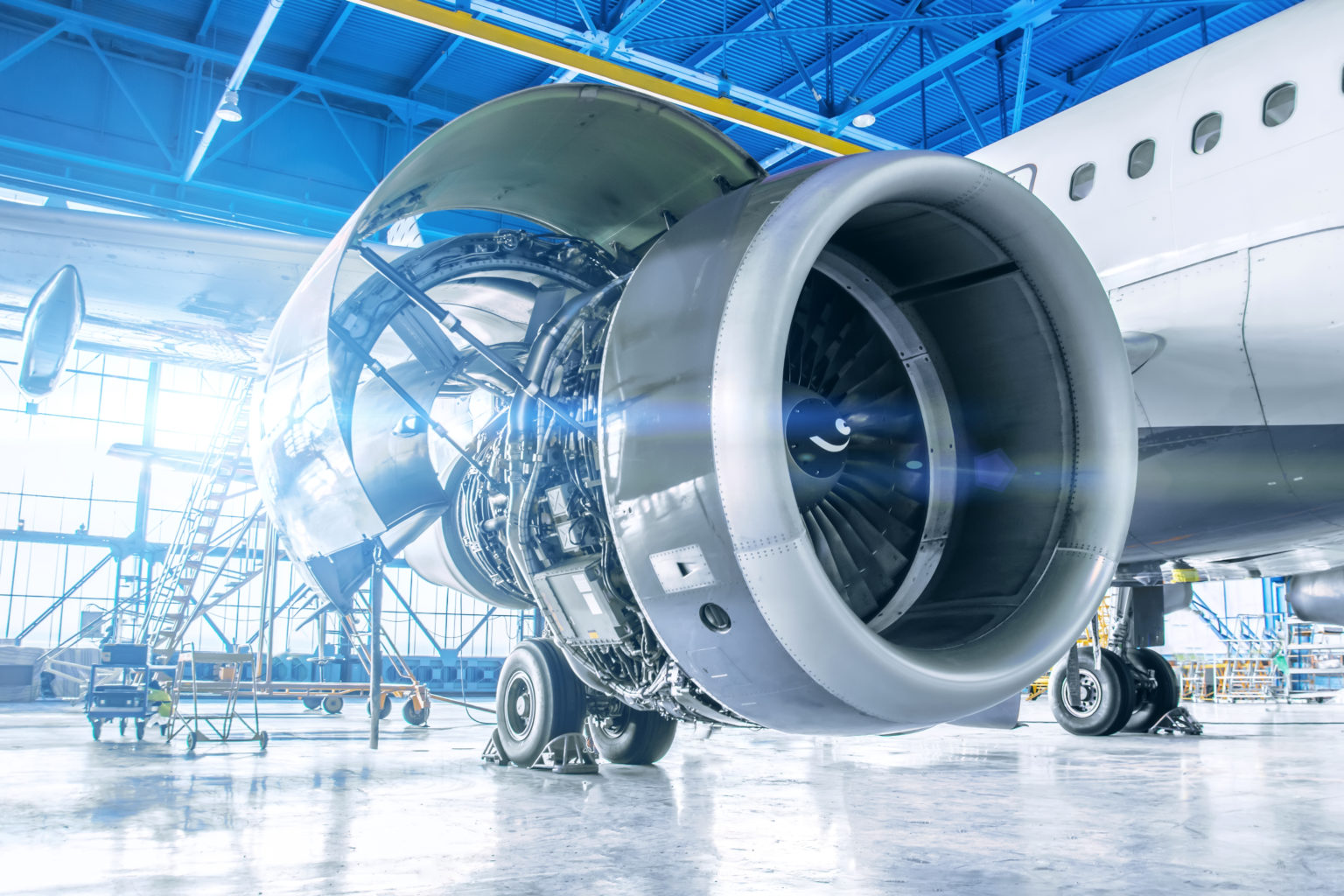
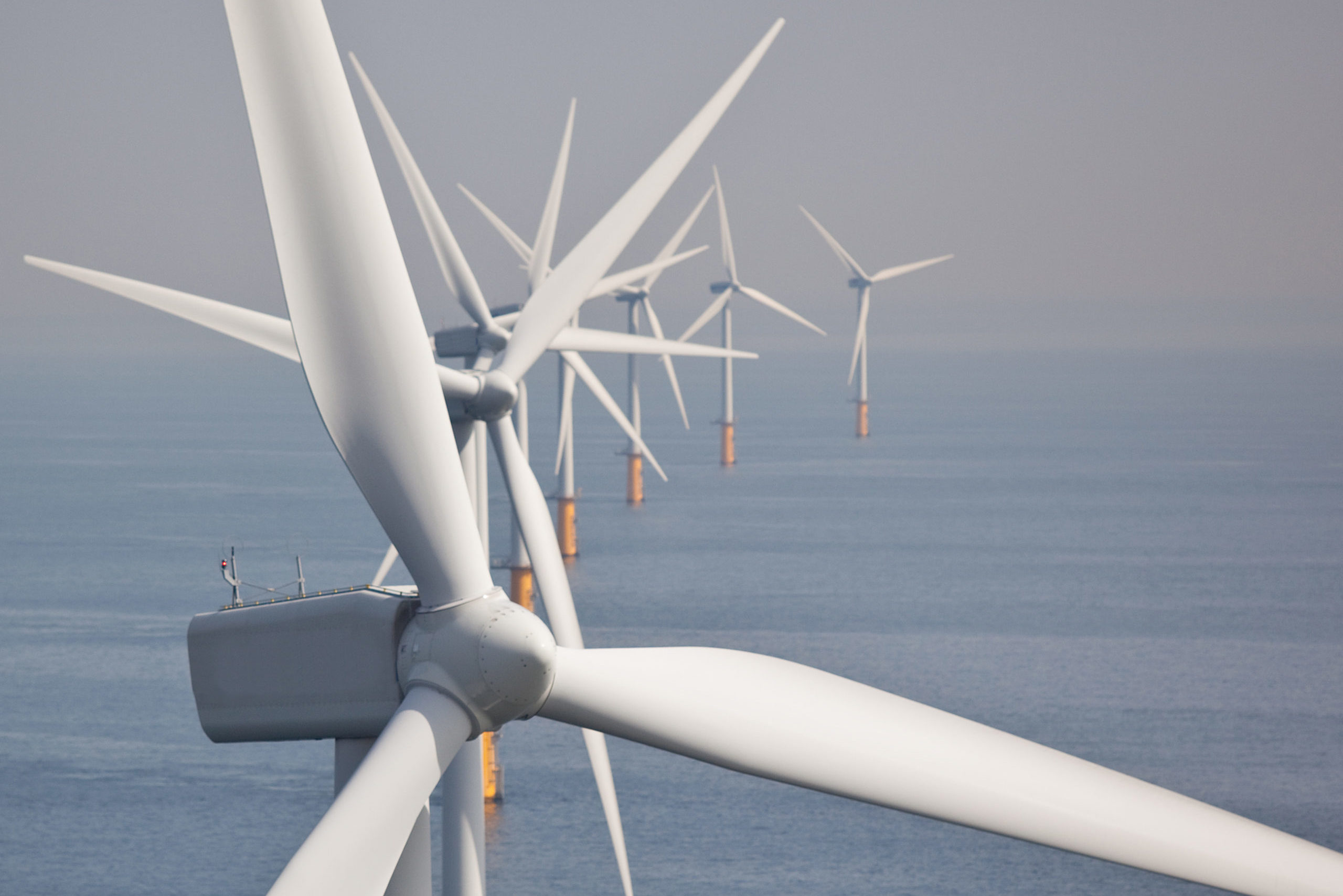
Laser in vacuum welding is well suited to applications needing high penetration, pore-free welds, and is often more flexible than electron beam welding thanks to the absence of x-rays and magnetism issues.
If you have a question, we'd be more than happy to help!