Cambridge Vacuum Engineering

Laser Welding

Laser Welding

What is Laser Welding?

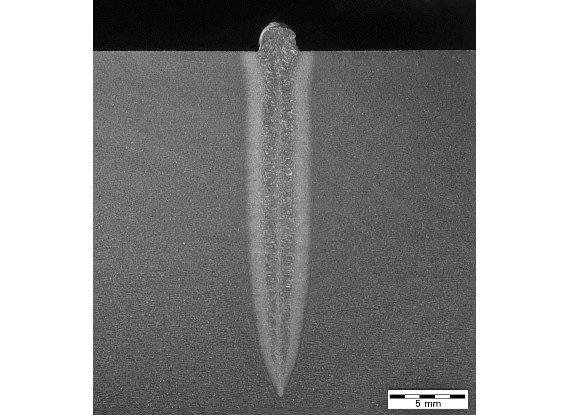
Laser welding (LW) is a welding process that uses a high power density laser beam to join two materials together, creating a deep, narrow weld.

Not sure if Laser Welding is the right process for your component?

Send us your drawings and our applications team will review the component, then advise on feasibility, achievable weld depth and whether atmospheric, local vacuum or in vacuum laser welding is the right route.

Learn More

Laser Welding at CVE

The Process

How Laser Welding Works

01
Component and joint preparation

Joint faces are cleaned, degreased and fixtured. Because a laser weld is narrow, joint fit up and a consistent gap matter, particularly on the thin section materials the process suits best.

02
Choosing the atmosphere

The weld can be made at atmospheric pressure with a shielding gas, inside a vacuum chamber, or with a local vacuum applied at the joint. CVE has developed systems for all three.

03
Beam delivery

The beam is taken from the laser source to the joint. Fibre optic delivery allows the welding head to sit remote from the power source, so with a shielding gas there is no chamber and no limit on component size.

04
Welding

The high power density beam forms a keyhole and produces a deep, narrow weld at high travel speed. Welding in a vacuum significantly increases the depth of the weld.

05
Verification

Welds are checked against the agreed procedure and acceptance criteria. CVE operates a Quality Management System that complies with the requirements of BS EN ISO 9001:2015.

Laser Machines Built By CVE

Range of Laser Welding Machines

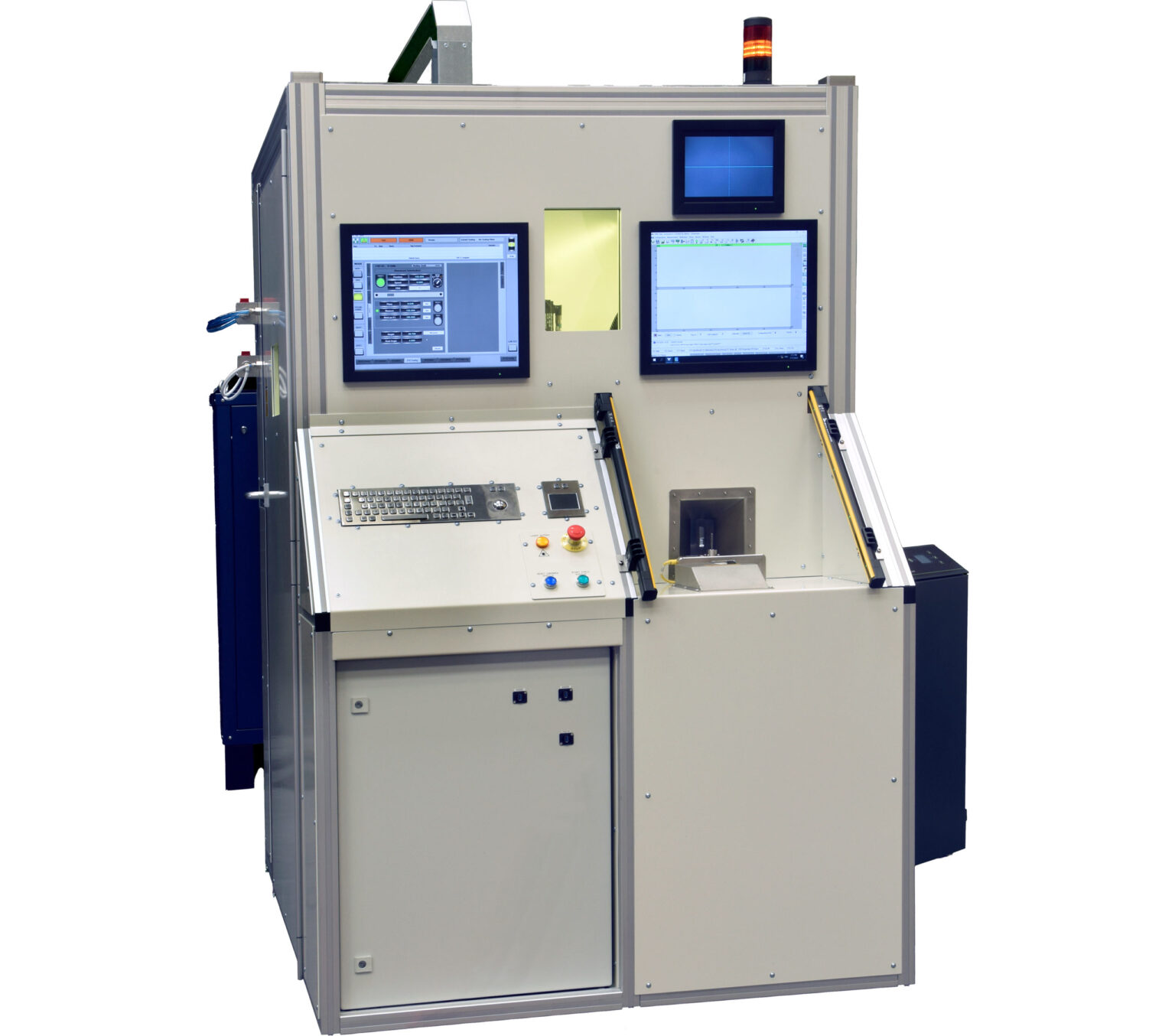
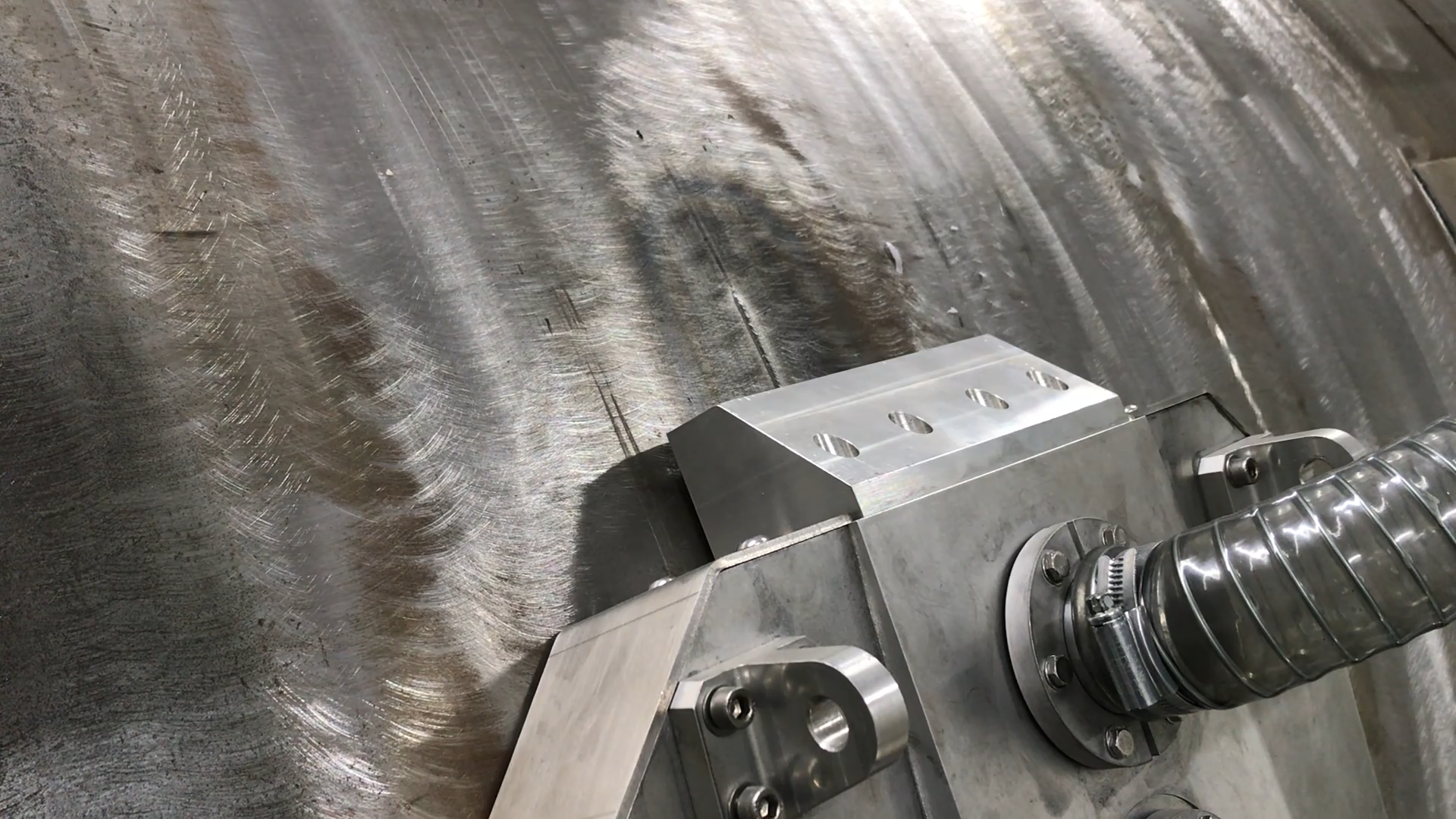
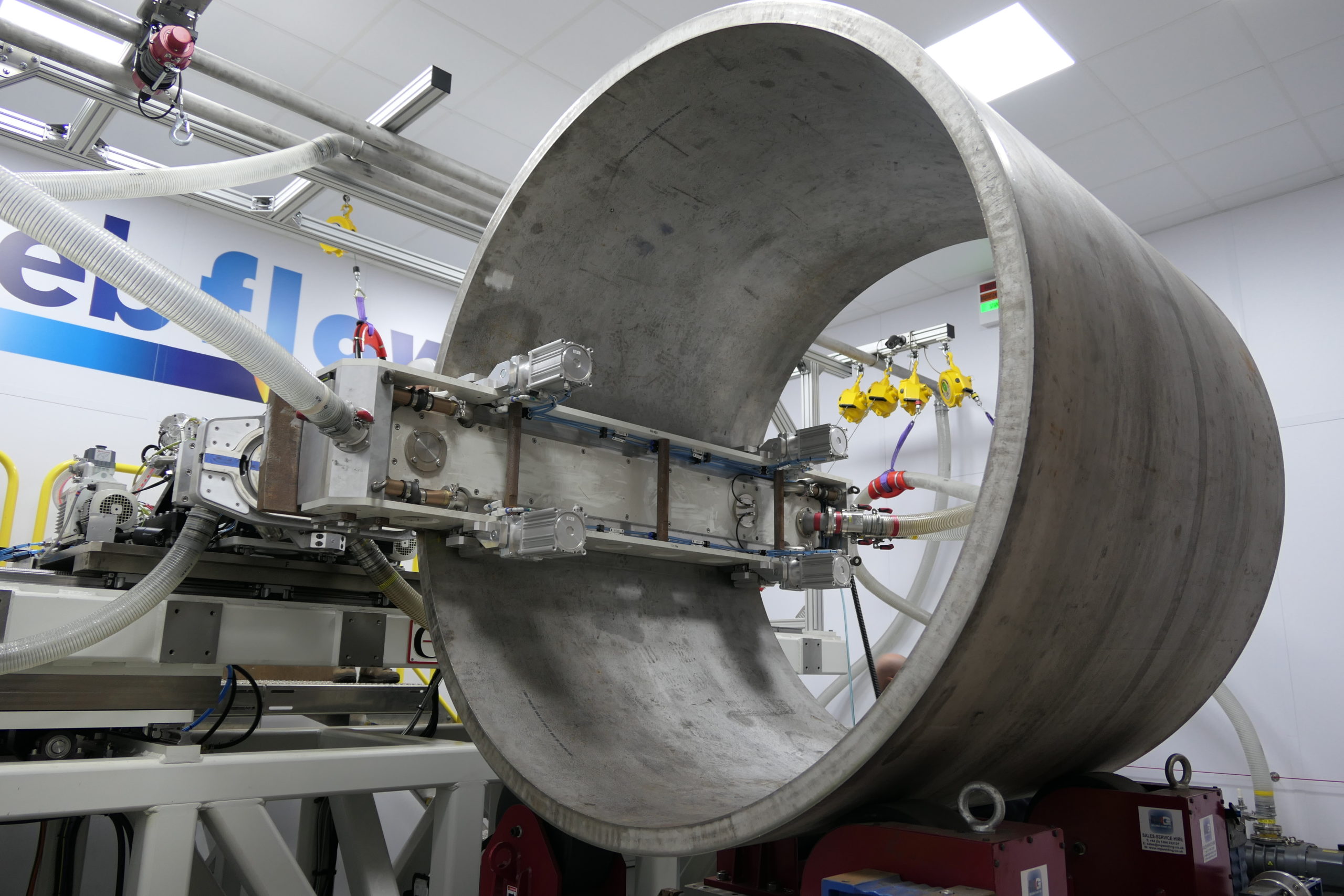
Ebflow Light weld
Local vacuum laser welding for thick section plate and pipe, using the Ebflow local vacuum principle without a full chamber.
01
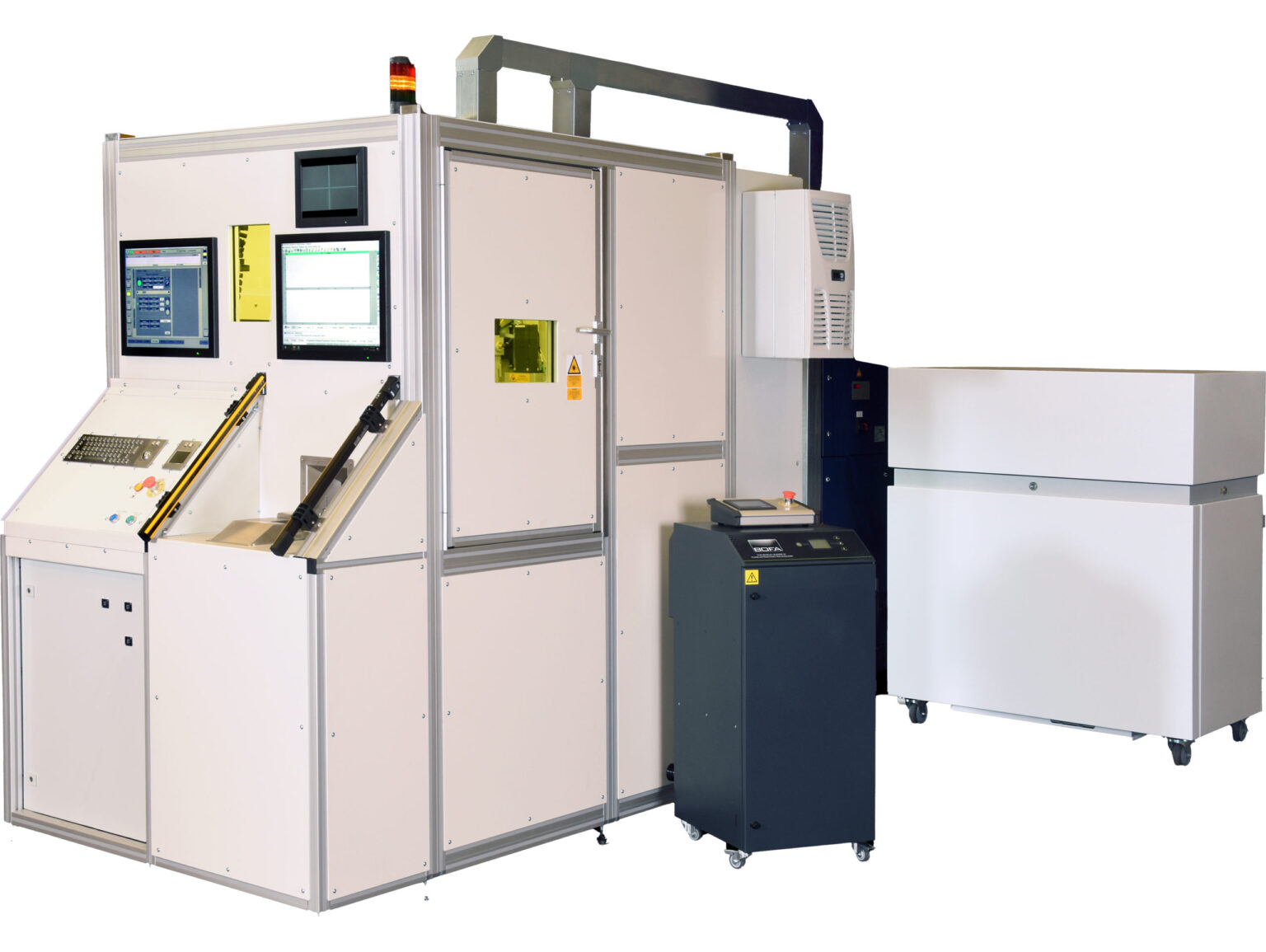
CVE laser welding machine
Conventional laser welding at atmospheric pressure with a shielding gas, suited to high speed work on thin section materials.
02
6kW laser weld produced in vacuum
Laser welding inside a vacuum chamber, which significantly increases weld depth and gives a clean, contamination free joint.
03
Datasheets, Brochures and Technical Guides

Related Documents

Where Laser Welding Performs Exceptionally Well

Industries

FAQ's

Common questions about laser welding

If your question is not covered here, send it over using the form and one of our engineers will come back to you.

01. What is laser welding used for?
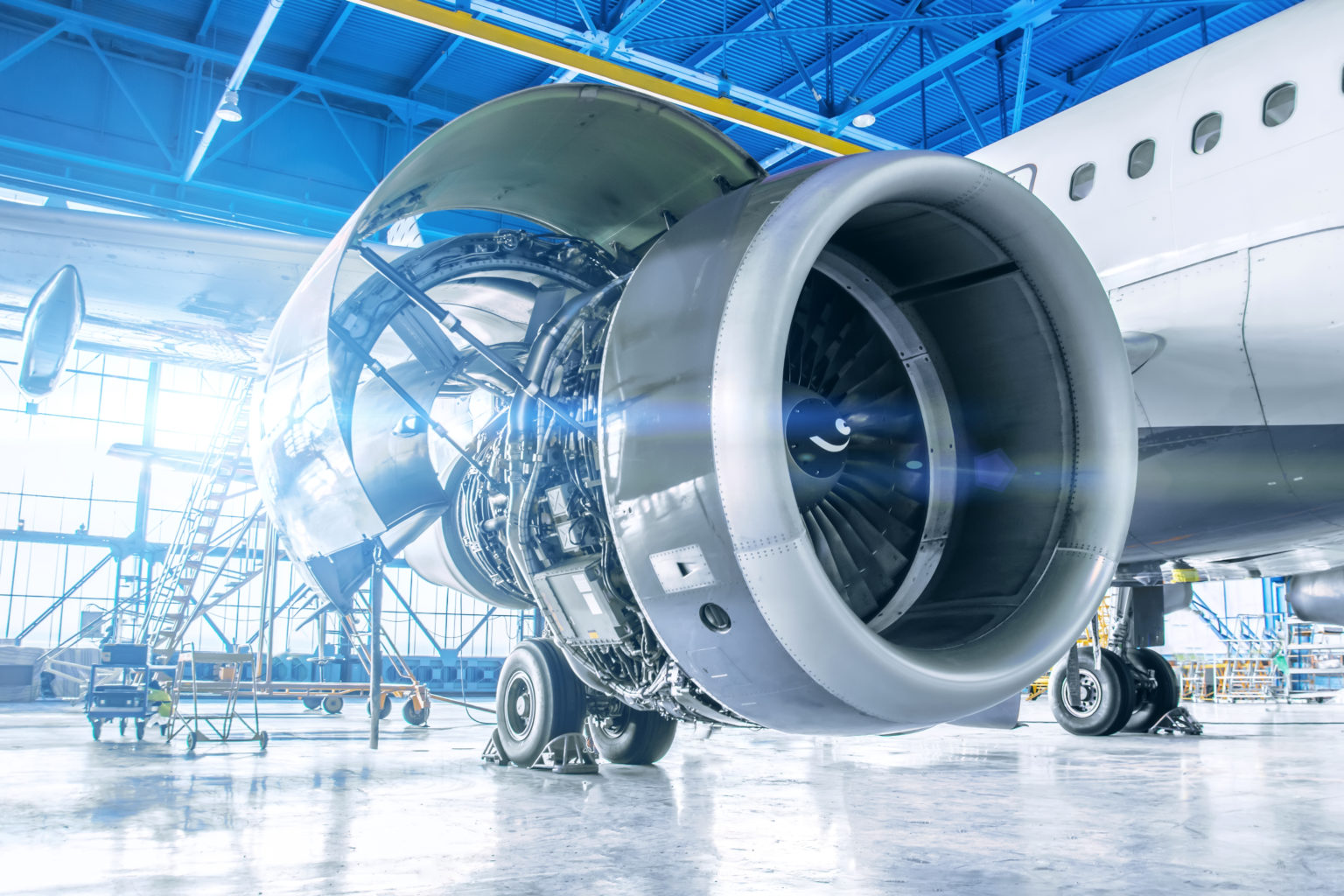
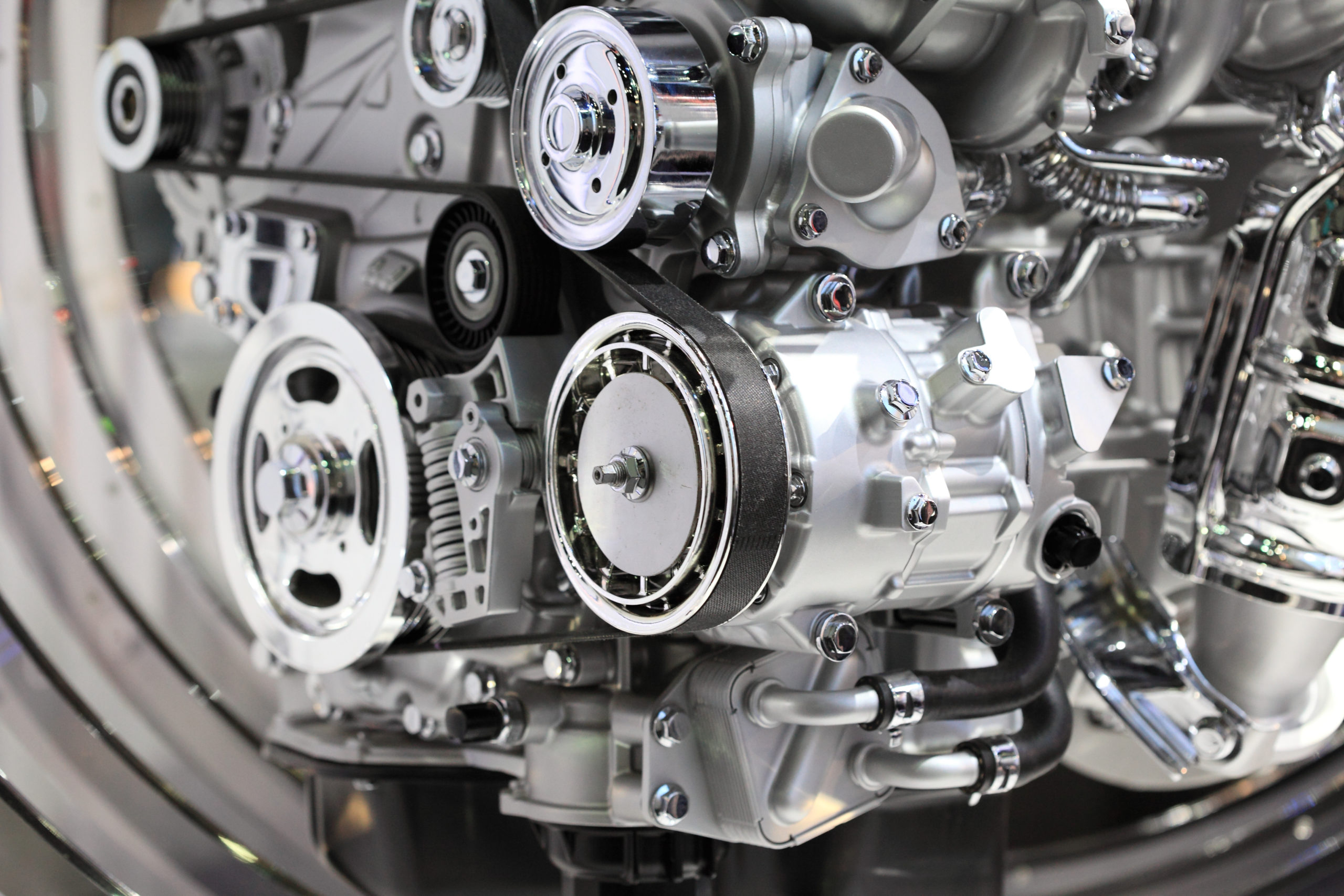
Laser welding suits work that needs a deep, narrow weld at high speed with very little distortion. It is particularly effective on thin section materials and in higher volume production where post weld machining needs to be kept to a minimum.
No. Conventional laser welding takes place at atmospheric pressure with a shielding gas. Welding in a vacuum chamber, or with a local vacuum applied at the joint, significantly increases the depth of the weld, so the choice depends on the thickness and the application.
Laser welding puts far less heat into the component overall, so distortion is lower, mechanical properties are better and there is minimal post weld machining. It also runs at higher travel speeds, which lifts productivity.

Ask Us a Question

Tell us about your component or fabrication and we will advise on the right approach.